View from the Limes tower

Where the Romans left their mark

Header image: © Dominik Ketz, TBEN

Along the UNESCO World Heritage Site of the Roman Limes, discover a story that began more than 2,000 years ago and has remained alive in the Bad Ems-Nassau region to this day.

The border of a world power

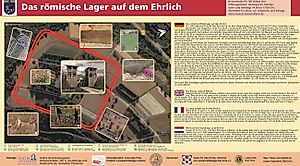
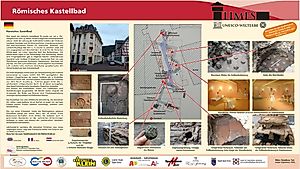
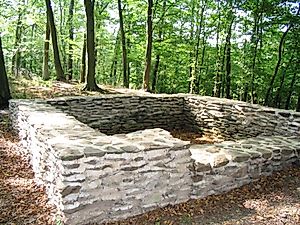
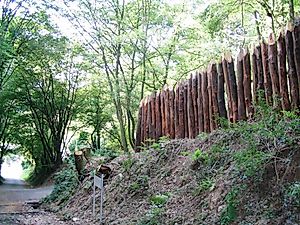
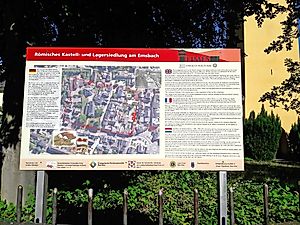
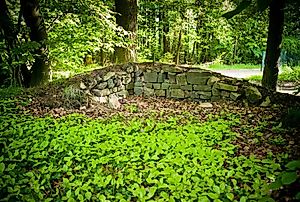
The Upper German-Raetian Limes was far more than a border line. Over some 550 kilometres, it once protected the Roman Empire, linking watchtowers, forts and frontier fortifications into one of the largest structures of its time. Since 2005 the Limes has been a UNESCO World Heritage Site and is now regarded as Germany's largest archaeological ground monument. In the Bad Ems-Nassau region, numerous traces of that era have survived to this day, from reconstructed watchtowers and original excavation sites to modern exhibitions that vividly show the lives of Roman soldiers and residents. Here, history isn't just told, it can be experienced.

The most important places along the Limes

The Roman Limes winds through the landscape of the Bad Ems-Nassau region, linking impressive viewpoints with historic sites. These places give a special insight into what life on the border of the Roman Empire was once like.

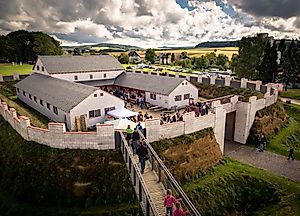
Limeskastell Pohl, Roman fortPhoto: Limeskastell Pohl
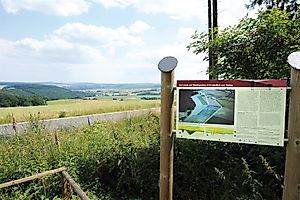
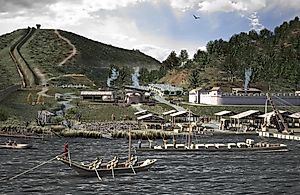
Limeskastell Pohl, Roman fort

This true-to-life reconstruction of a Roman timber-and-earth fort is one of the most exciting open-air museums on the UNESCO World Heritage Site. Interactive activities and digital tours bring the everyday life of Roman soldiers to life for young and old.

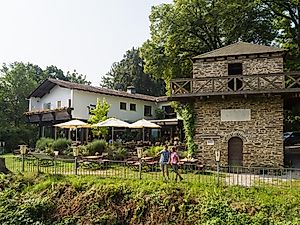
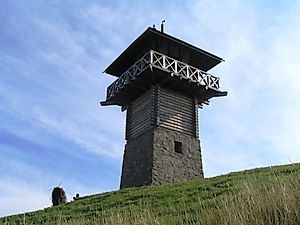
Reconstructed Limes tower on the Wintersberg near Bad Ems, with a restaurantPhoto: Dominik Ketz / TBEN

Limesturm am Wintersberg, Limes watchtower

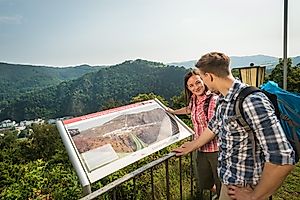
The historic watchtower above Bad Ems is one of the oldest reconstructions of a Limes tower anywhere. It also offers an impressive view over the Lahn Valley and the course of the former Roman border.

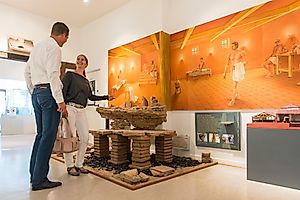
ExhibitionPhoto: Dominik Ketz, TBEN

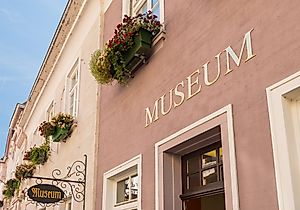
Stadtmuseum Bad Ems, town museum

The Limes exhibition in the Stadtmuseum Bad Ems shows original finds, models and reconstructions from Roman times. It gives a vivid picture of how people lived and worked along the border of the Empire some 2,000 years ago.

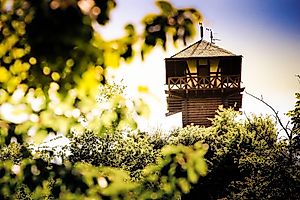
The Stefansturm near Arzbach behind leaves in the backlightPhoto: Herbert Piel / TBEN

Stefansturm near Arzbach, tower

Standing on a basalt cone, the Stefansturm, which you can climb, recalls the Roman watchtowers along the Limes. From here, the view stretches far across the landscape that was once part of the northern border of the Roman Empire.

Discover the Limes for yourself

From reconstructed forts and historic watchtowers to original excavation sites, our interactive map shows you the most important places along the UNESCO World Heritage Site of the Roman Limes in the Bad Ems-Nassau region. Plan your own journey back in time and discover history right where it was made.

22 entries

You might also like

Good to know

Planning a stay or want to find out more about the region? Here you'll find answers to frequently asked questions about the Bad Ems-Nassau region and the Lahn Valley.

Have more questions?

We'll be happy to help you plan your trip to the Lahn Valley.

Contact
What is the Roman Limes?

The Upper German-Raetian Limes was the northern frontier of the Roman Empire and has been a UNESCO World Heritage Site since 2005. At around 550 kilometres long, it is Germany's largest archaeological ground monument and tells the story of the Romans north of the Alps.

Why is the Limes especially worth seeing in the Bad Ems-Nassau region?

Numerous traces of the Romans have survived in the Bad Ems-Nassau region. Reconstructed watchtowers, original excavation sites, museums and the Limeskastell Pohl make the history of the Roman frontier fortifications especially vivid and tangible.
Which sights along the Limes should you visit?

The top highlights include the Limeskastell Pohl, the historic Limesturm am Wintersberg, the Limes exhibition in the Stadtmuseum Bad Ems and the Stefansturm with its impressive view over the former border region.

Is the Roman Limes suitable for families?

Yes. The Limeskastell Pohl in particular offers exciting insights for children and adults, with its open-air museum, digital tours and interactive stations. Here, history comes to life in an entertaining way.
Can you explore the Limes on foot?

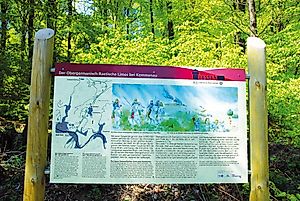
Yes. Many sections of the Limes run through the Nassau Nature Park and combine perfectly with hikes. Along the trails, information boards and viewpoints tell you about the history of the former Roman border.

How old is the Roman Limes?

The Upper German-Raetian Limes was built around 2,000 years ago and served the Romans as a frontier and security system for several centuries. Today it is one of Europe's most important archaeological monuments.

Sunset over Dausenau on the Lahn

And tomorrow we'll stay a little longer

The Bad Ems-Nassau region stays with you. Between river and hills, a feeling arises that you don't have to hold on to in order to take it with you.

Find accommodation now

Photo: © Dominik Ketz / TBEN; KI optimiert